




Mapping

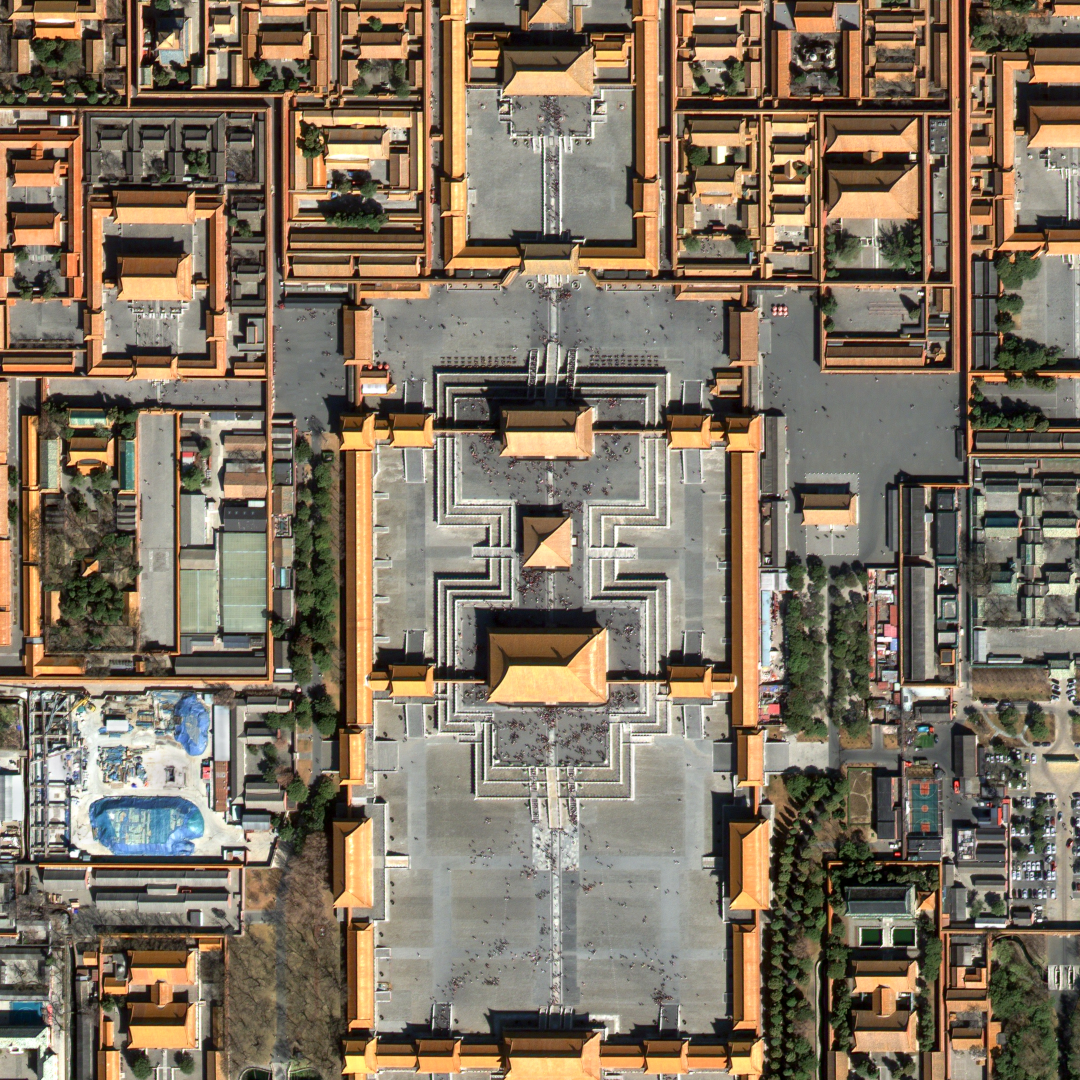
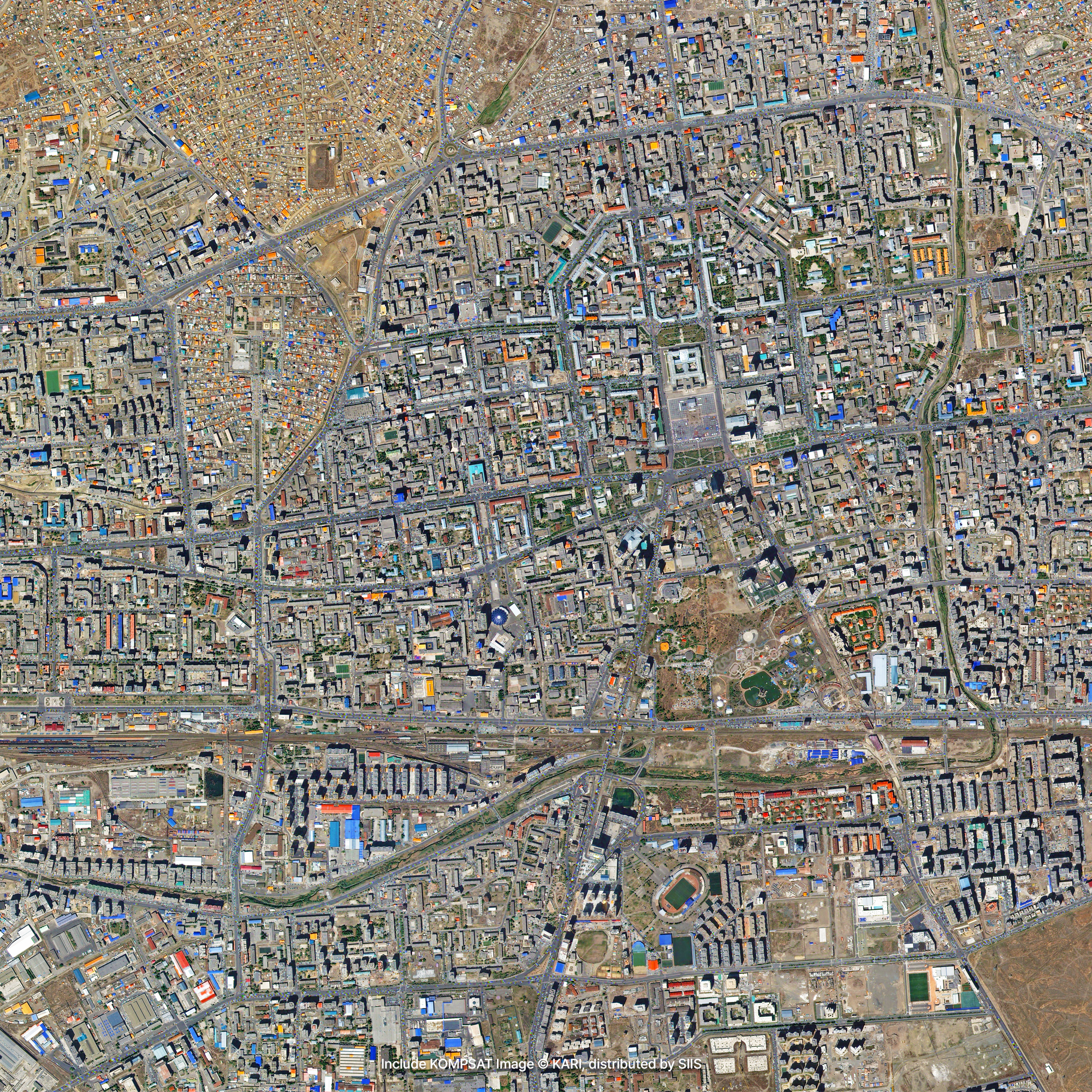
It is difficult to collect geographic information covering each continent, such as Asia, Europe, Africa, America, and Oceania. It takes a lot of time and money to acquire such wide-area geographic information through manpower or other Earth observation equipment such as airplanes and drones. Satellite images are much more economical in terms of cost and time. Since information of the same location can be obtained repeatedly, it reduces the range of error and enables the efficient expression of real-space information.
Sample Imagery

Applications

Mapping
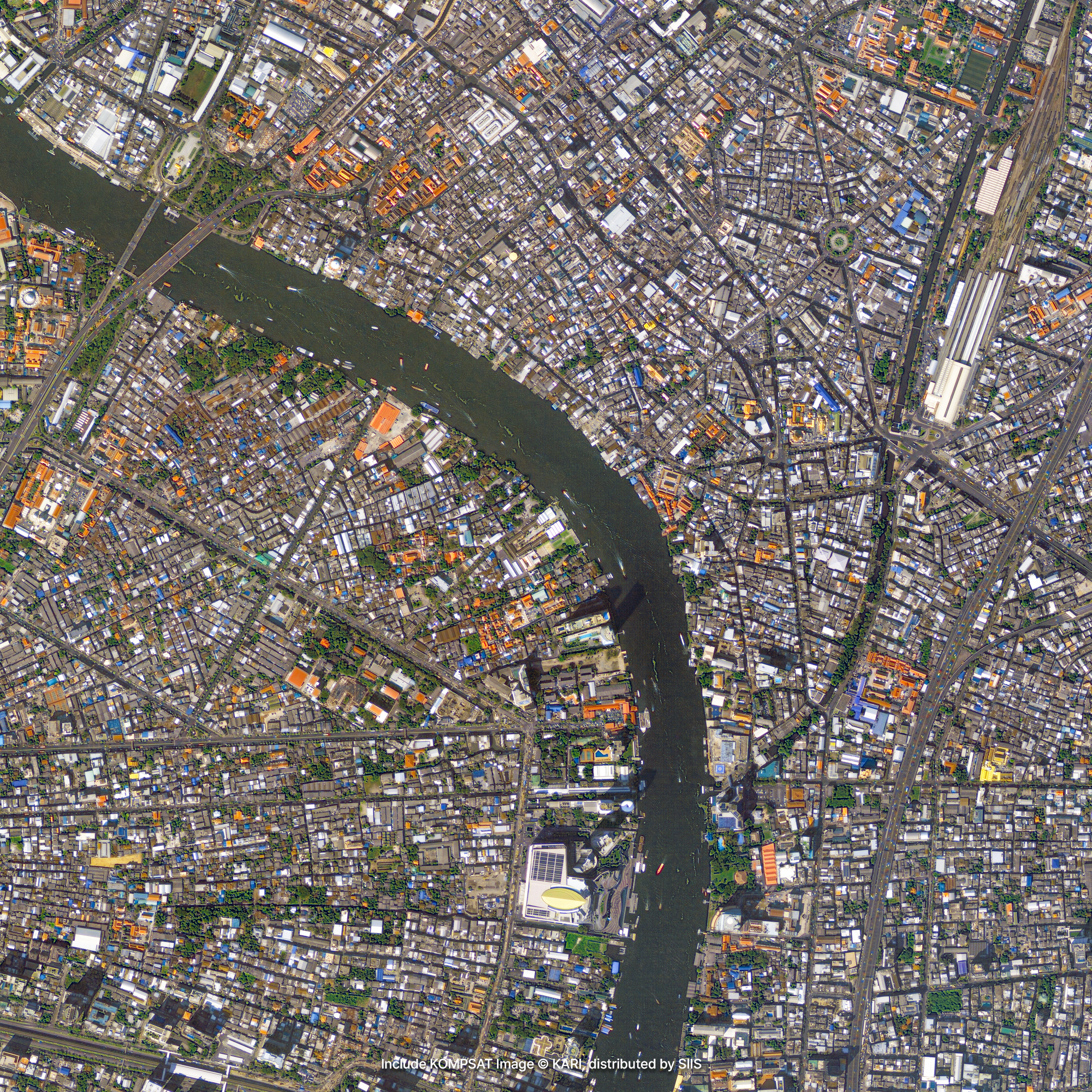
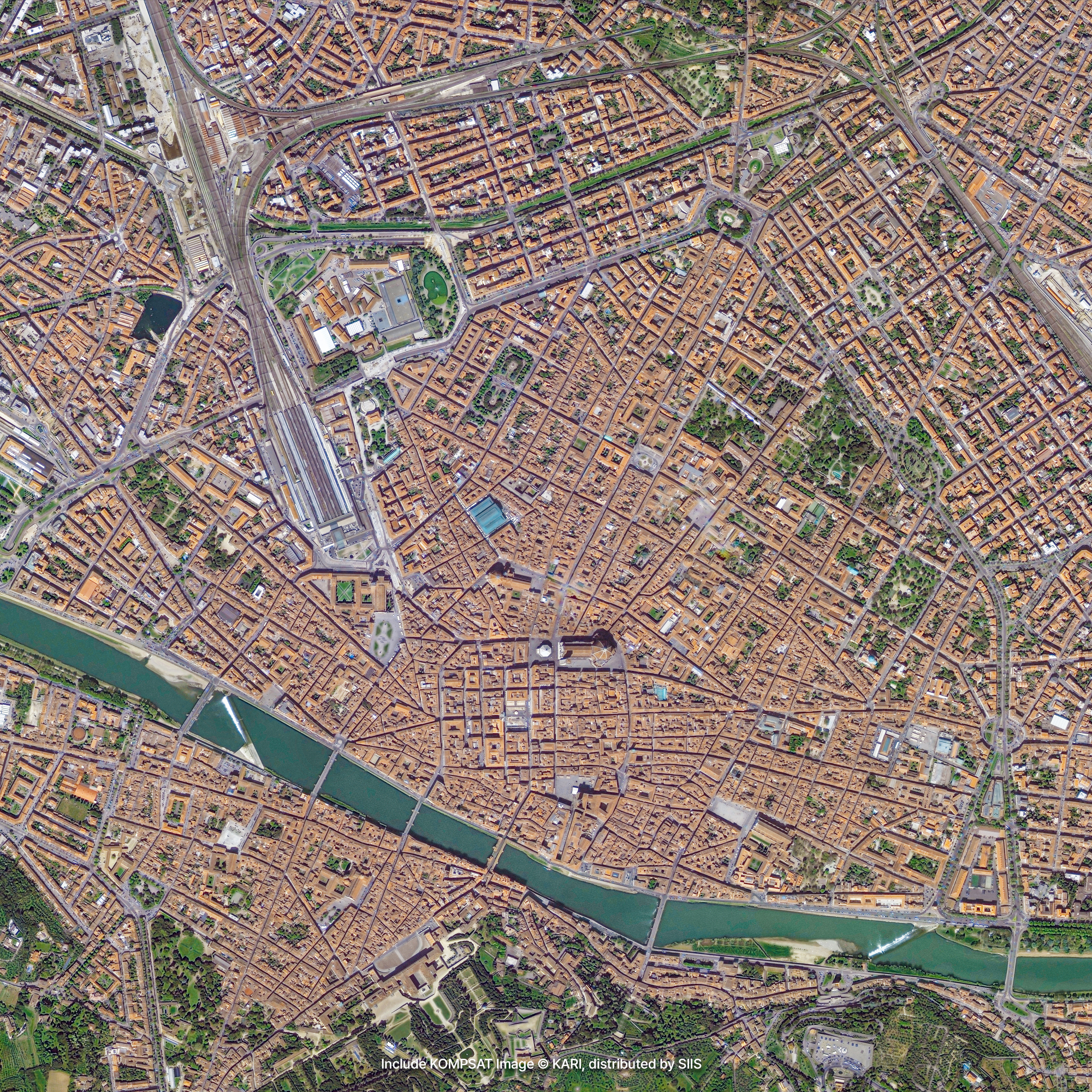
Using the characteristics reflected from the land surface, you can create detailed land cover maps according to land surface types or customize maps for various commercial and governmental purposes. In addition to ground reflection spectral information, the spatial resolution—specifically the sharpness and density of the pixels—is a critical factor in data fidelity. Our VVHR and VHR imagery makes it possible to precisely distinguish buildings of different architectural shapes, sizes, and functions, such as individual residential houses and school complexes, while effortlessly capturing up-to-date information on highly complex, irregular road networks and intricate land-use patterns.

DEM/DSM
DEM (Digital Elevation Model) captures surface elevation data of pure topography without vegetation and artificial structures, whereas DSM (Digital Surface Model) includes all natural and man-made features on the ground. Generating a highly precise, high-density DEM/DSM is seamless through our VVHR and VHR imagery acquired in multi-angle stereo mode. These high-fidelity elevation models are utilized across diverse sectors—including the monitoring of hard-to-access terrain, smart urban planning, and telecommunication network optimization—and are especially critical for hyper-realistic 3D map production. Furthermore, 3D maps powered by our elevation models offer a powerful tool for natural resource management, enabling operators to inspect and monitor the volumetric changes and extraction status of open-pit mines at a single glance.
Get in Touch
Send us your inquiries, and we’ll respond promptly.

ADDRESS : 21, Yuseong-daero 1628beon-gil, Yuseong-gu, Daejeon, Republic of Korea 34054TEL : 042-341-0401
Copyright 2025 SIIS. All rights reserved. AdminFAMILY SITE